The Hospital Discount You Never See: Inside the 340B Pricing Gap
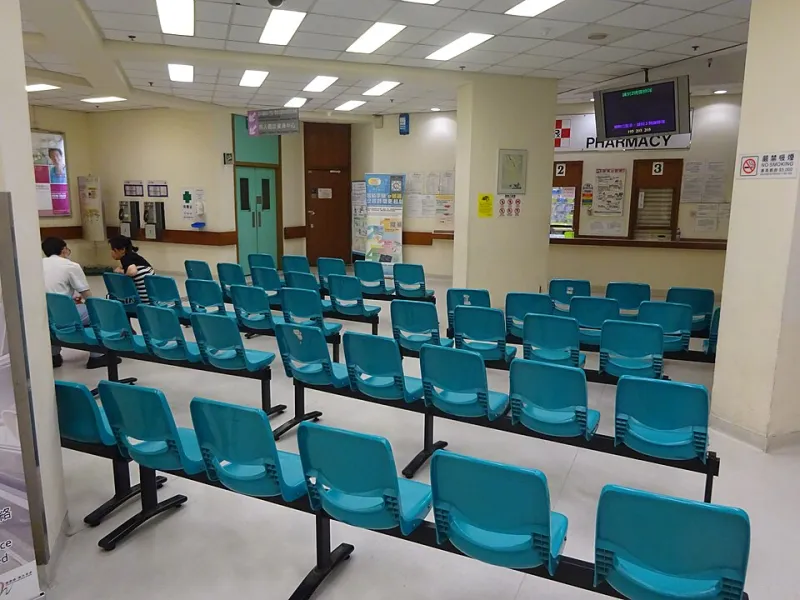
Photo: YipshaiukOWL, CC BY-SA 4.0, via Wikimedia Commons
There's a quiet arrangement behind some hospital pharmacy bills. A hospital or clinic may buy an outpatient drug at a steep discount under a federal program called 340B. The same drug may then be billed to you or your insurer at a much higher price. The gap isn't necessarily illegal, and it isn't always a scandal. But it is a source of confusion for patients who assume a discount for the institution means a discount for them.
The 340B program was created in 1992 through Section 340B of the Public Health Service Act. It requires drug manufacturers that participate in Medicaid to offer discounted prices to certain eligible health care providers—'covered entities'—including many hospitals, community health centers, and clinics that serve low-income and uninsured patients. The idea was to stretch scarce federal resources and help these providers care for more people.
How the discount works—and where it goes
Covered entities can buy covered outpatient drugs at discounted prices. The size of the discount varies by drug and manufacturer, but it can be substantial. The program doesn't require the hospital to pass that discount directly to every patient. Instead, the savings are supposed to help the covered entity maintain services, provide charity care, and support care for underserved populations.
That's the policy theory. In practice, the money can be hard to trace. A hospital may use 340B savings for a mix of programs: uncompensated care, free clinics, patient assistance, or general operations. The program has rules about how drugs are purchased and billed, but it doesn't come with a consumer-facing receipt that says, 'This drug was bought at a 340B discount.'
Why patients still see full-price bills
The 340B discount applies to the covered entity's drug purchases. It does not automatically cap what the patient is charged. If you're insured, your bill is usually based on your plan's negotiated rate, not the hospital's acquisition cost. If you're uninsured or underinsured, you may be billed at a hospital's self-pay rate, which can be far above the 340B purchase price.
Contract pharmacies add another layer. Many covered entities use outside pharmacies to dispense 340B drugs, and those arrangements have been the subject of disputes between manufacturers, pharmacies, and the government. The rules can be complicated, and the patient experience is often opaque. You may pick up a prescription at a retail counter and have no idea whether it was filled under a 340B arrangement or a standard commercial one.
Common prescriptions where this matters
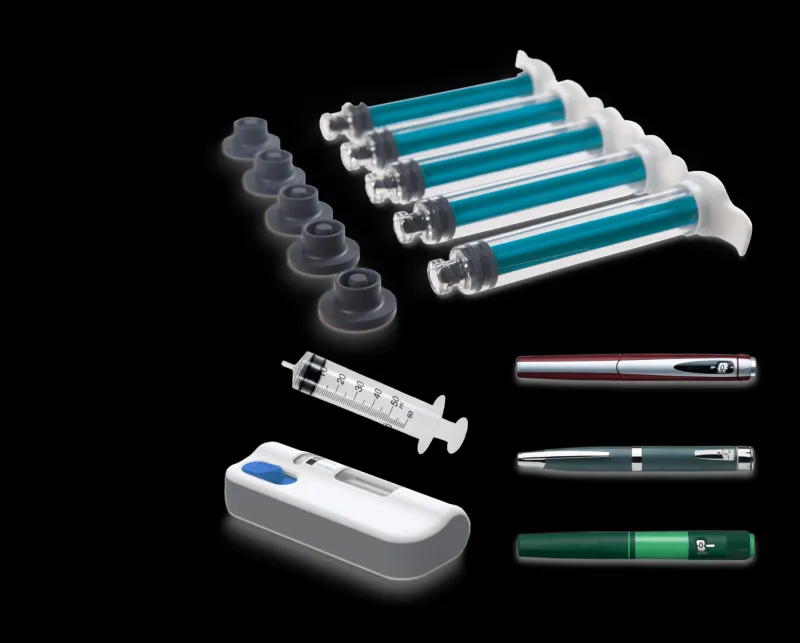
340B covers many outpatient drugs, including certain cancer therapies, HIV medications, hepatitis C drugs, insulin products, and routine chronic-disease prescriptions. The program is not limited to exotic specialty drugs. That's why a hospital visit for a common prescription can still produce a bill that feels disconnected from the discount you'd expect.
If you receive a prescription from a hospital clinic, an outpatient department, or a federally qualified health center, it's fair to ask whether the prescription is eligible for 340B pricing. You may not get a simple answer, but the question is legitimate.
What you can ask
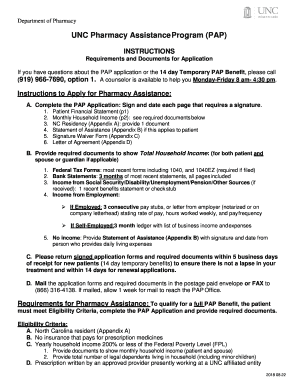
Start with the hospital or clinic's financial assistance office, not the front-desk cashier. Ask: 'Is this prescription eligible for 340B pricing, and is there a patient assistance or sliding-fee program I should apply for?' If you're uninsured, ask whether the hospital has a charity care policy and whether the 340B savings are used to support it.
If you're insured, ask: 'Is this drug being billed under a 340B arrangement, and does that affect my cost-sharing?' You can also ask for an itemized bill that shows the drug charge separately from facility fees. That won't necessarily reveal the acquisition price, but it can help you spot duplicate charges or billing errors.
If you use a contract pharmacy, ask the hospital which pharmacy handles its 340B prescriptions and whether the discount is supposed to reach the patient. Don't assume the answer is yes. The program's savings are institutional, not automatically individual.
Where the savings are supposed to go
The 340B program is intended to help covered entities stretch resources and care for underserved patients. That can mean free or reduced-cost care, case management, or programs that keep patients out of the emergency room. But the program doesn't require a direct rebate to every patient at the pharmacy counter. That's the gap between the policy goal and the patient experience.
That gap is why 340B remains controversial. Hospitals say the savings support essential services. Critics say some institutions have turned the program into a revenue stream without enough transparency. Patients are often stuck in the middle, holding a bill that doesn't explain which price the hospital paid or where the savings went.
The bottom line
If you get a prescription through a hospital or clinic, you're allowed to ask how the drug was purchased and whether a patient assistance program applies to you. You may not get a line-by-line answer, but you can ask for financial assistance, an itemized bill, and a written explanation of your cost-sharing. The 340B discount may not land in your pocket automatically—but asking the right questions can at least tell you whether you're missing a program that could.