Why Your Insurance Wants You to Use Their Specialty Pharmacy — And Why That's Bad News for Your Wallet
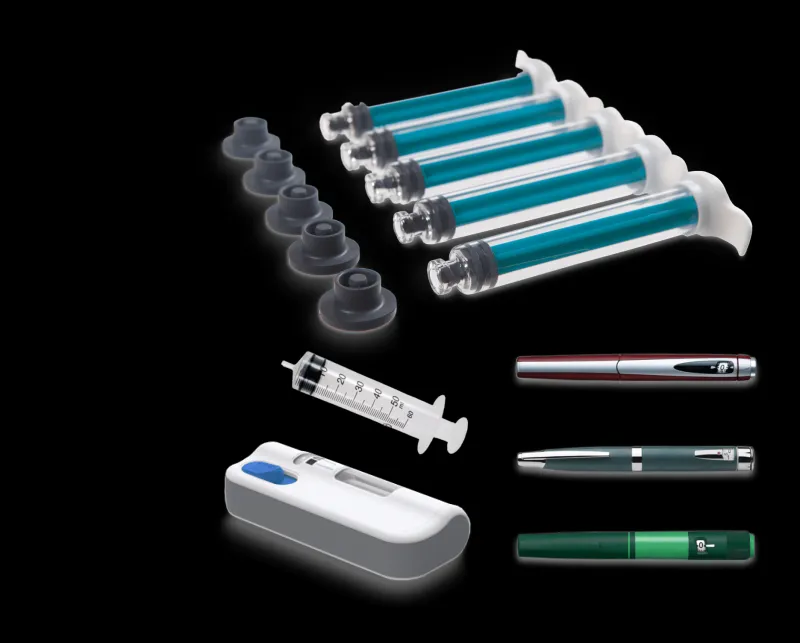
Photo: specialty pharmacy medication delivery box biologic injection pen, via viantmedical.com
The letter arrives in the mail, or maybe it's a phone call. Your insurance company wants to "help" you manage your specialty medication. They have a preferred pharmacy partner — convenient, they say, with home delivery and dedicated pharmacist support. All you have to do is transfer your prescription.
It sounds like a service. For many patients taking biologics or other high-cost specialty drugs, it functions more like a financial trap.
Specialty medications — the injectable and infused drugs used to treat conditions like rheumatoid arthritis, Crohn's disease, multiple sclerosis, psoriasis, and certain cancers — are among the most expensive drugs in the American healthcare system. A single month's supply can run anywhere from $3,000 to over $30,000 at list price. The specialty pharmacy handling that transaction wields enormous financial power, and so does the insurer directing you toward it.
Here's what's actually happening behind that friendly letter.
The Specialty Pharmacy Ecosystem, Explained
Specialty pharmacies aren't just regular pharmacies that happen to stock expensive drugs. They're a distinct segment of the industry, often requiring special handling, cold storage, and clinical monitoring. The major players — Accredo (owned by Express Scripts/Cigna), CVS Specialty (owned by CVS/Aetna), and Optum Specialty (owned by UnitedHealth Group) — are all subsidiaries of the same massive conglomerates that own the PBMs managing your drug benefits.
This is not a coincidence. When your insurer steers you to their preferred specialty pharmacy, they're often steering you to a company they own. The insurer collects your premium. Their PBM processes the claim. Their specialty pharmacy fills the prescription. The money cycles through the same corporate family at every step.
Independent specialty pharmacies — smaller operations not owned by insurance conglomerates — exist and often offer lower prices. But they frequently find themselves excluded from insurer networks or buried so deep in the formulary that patients don't know they're an option.
The Price Gap Is Real
How much of a difference does it actually make? The numbers are striking.
A 2022 analysis by the Berkeley Research Group found that specialty pharmacies owned by PBMs charged, on average, 20% to 40% more for the same biologic medications than independent specialty pharmacies. For a drug with a monthly cost of $8,000, that gap represents $1,600 to $3,200 per month — or up to $38,400 annually.
For patients with coinsurance (where you pay a percentage of the drug's cost rather than a flat copay), a higher pharmacy price directly means a higher out-of-pocket bill. If your plan requires 20% coinsurance on specialty drugs, that 40% markup translates directly into a 40% increase in what you owe.
Even patients with flat copays aren't fully insulated. Higher drug costs contribute to faster deductible exhaustion, affect out-of-pocket maximum calculations, and in some plan designs, trigger supplemental cost-sharing requirements.
How Insurers Lock You In
Insurers use several mechanisms to keep patients in their preferred specialty pharmacy networks:
Formulary restrictions. Your plan's drug formulary may list a specialty medication as covered only when dispensed through a specific pharmacy or network. Use a different pharmacy and the drug may move to a non-covered tier — meaning you pay full price.
Step therapy requirements. Before approving the specialty drug your doctor prescribed, your insurer may require you to try and fail on cheaper alternatives first. This process, which can take months, is often managed by the insurer's preferred specialty pharmacy, creating a captive relationship before you even fill your first prescription.
Limited distribution networks. Some manufacturers restrict which pharmacies can dispense certain drugs, and insurers negotiate exclusive or preferred relationships within those networks.
Administrative friction. Even when an independent pharmacy is technically in-network, prior authorization paperwork, specialty drug shipping requirements, and clinical monitoring protocols are often designed to flow through the insurer's preferred provider. Navigating around them requires persistence.
The Financial Incentives Nobody Talks About
Why would an insurer structure things this way? At first glance, it seems contradictory — wouldn't insurers want lower drug costs to reduce their own claims exposure?
The answer lies in how insurer-owned specialty pharmacies generate revenue. When the specialty pharmacy is a wholly owned subsidiary, higher drug prices mean higher revenue for the corporate parent, even if the insurance arm of the business is paying more in claims. The consolidated entity may actually profit from the markup.
Additionally, specialty pharmacies receive significant rebates from drug manufacturers — rebates that, under current regulations, they're not required to pass along to patients. An insurer-owned specialty pharmacy capturing those rebates is effectively double-dipping: charging higher prices on one end while collecting manufacturer payments on the other.
What You Can Actually Do About It
This situation is frustrating, but patients aren't entirely without options.
Ask your doctor to specify pharmacy requirements. In some states and under certain plan types, a physician can document that a specific independent specialty pharmacy is medically necessary for the patient's care — particularly if the patient has an established relationship with that pharmacy or if the preferred pharmacy has had prior supply issues.
Request a network exception. Most insurance plans have a formal exception process that allows patients to use out-of-network providers under specific circumstances. File the request in writing, have your physician support it with documentation, and cite any instances where the preferred pharmacy has failed to meet your clinical needs.
Compare out-of-pocket costs explicitly. Call both the insurer's preferred specialty pharmacy and an independent alternative. Ask each one what your specific out-of-pocket cost will be for your specific drug on your specific plan. Get it in writing if possible. The difference may be large enough to justify the effort of fighting for an exception.
Look for manufacturer patient assistance programs. Many biologic manufacturers offer copay assistance programs that can offset costs regardless of which pharmacy you use. These are often worth stacking with whatever plan coverage you have.
Contact your state insurance commissioner. Several states have passed or are considering legislation limiting the extent to which insurers can mandate use of affiliated specialty pharmacies. If you're in a state with active legislation on this issue, a formal complaint contributes to the regulatory record.
Check whether your employer plan has flexibility. If you're on an employer-sponsored plan governed by ERISA, some of the state insurance regulations that protect you don't apply. However, your employer's HR or benefits department may have more flexibility to negotiate specialty pharmacy access than you'd expect — especially at larger employers with significant leverage over their plan administrators.
The Bottom Line
When your insurance company says their specialty pharmacy is there to help you, they're not entirely wrong. These pharmacies do offer real services — clinical support, home delivery, medication management programs. But those services don't explain a 40% price premium.
The specialty pharmacy steering game is one of the less-visible ways that the integrated insurance-PBM-pharmacy conglomerates extract value from patients with serious, expensive medical conditions. Understanding the incentive structure is the first step toward pushing back against it.
Your medication is expensive enough. The pharmacy filling it shouldn't be making it worse.