Why Your 'Cheap' Generic Might Be Costing You Ten Times Too Much
There's a reasonable assumption most of us make at the pharmacy counter: if the drug is generic, it's the cheap option. You've done the right thing. You asked for the generic. You're saving money.
Except sometimes you're not. Not even close.
A growing body of research — and a lot of very frustrated patients — suggests that some generic drugs are being marked up dramatically by the time they reach your hands. And the entity most responsible for that markup isn't your pharmacist, your doctor, or even the drug manufacturer. It's a behind-the-scenes player called a pharmacy benefit manager, or PBM.
What a PBM Actually Does (And Why It Matters to Your Wallet)
PBMs are the companies that manage prescription drug benefits on behalf of insurance plans. They negotiate with drug manufacturers, set the reimbursement rates paid to pharmacies, and decide which drugs land on your insurance formulary — and at what tier. The big three (CVS Caremark, Express Scripts, and OptumRx) collectively manage drug benefits for the majority of insured Americans.
On paper, PBMs exist to lower costs. In practice, their incentive structure is a lot more complicated than that.
Here's the thing about generic drugs: they're cheap to manufacture, which means there's not much room for the kind of rebate games PBMs play with expensive brand-name drugs. So instead of negotiating rebates, some PBMs do something different — they pocket the spread.
The "spread" is the difference between what the PBM charges your insurance plan for a drug and what it actually pays the pharmacy. On a brand-name drug, that spread might be a few dollars. On a generic, it can be enormous — sometimes hundreds of dollars on a single prescription.
A Real-World Example That's Hard to Ignore
Consider generic metformin, one of the most commonly prescribed diabetes medications in the country. At a discount pharmacy like Mark Cuban's Cost Plus Drugs, a 90-day supply of metformin costs about $5. At some insurance-covered pharmacies, patients have reported paying $30, $50, or more for the exact same drug — even with insurance.
Or take generic atorvastatin, the cholesterol medication. Widely available for under $10 at GoodRx prices, it has shown up on insurance claims at $80 or more. The drug didn't change. The chemistry didn't change. What changed was the pricing layer stacked on top of it.
A 2019 study published in JAMA Internal Medicine found that in nearly a quarter of all generic drug transactions, patients paid more with insurance than they would have paid out of pocket. The researchers called this phenomenon "overpaying" — a polite term for what amounts to a hidden tax on people who think their coverage is protecting them.
The Clawback Problem
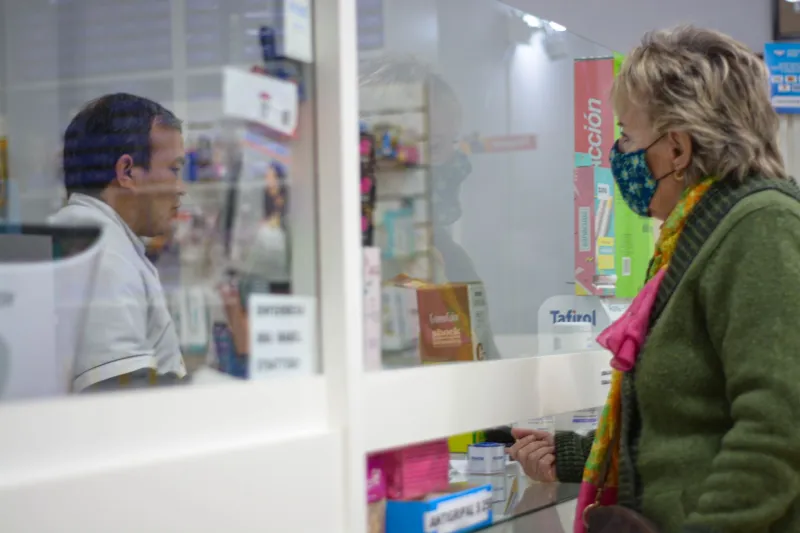
There's a related practice that makes this worse: clawbacks. In some contracts, PBMs require pharmacists to collect a patient's copay and then return the portion above the actual drug cost back to the PBM. The pharmacist is sometimes contractually forbidden from telling you that a cheaper cash price exists.
Federal rules passed in 2020 took some steps to address this — pharmacists are now generally allowed to tell you if a lower price is available. But enforcement is inconsistent, and not every pharmacist volunteers the information unprompted.
How to Tell If You're Overpaying for a Generic
The good news: catching this is easier than you might think. Here's a quick checklist.
1. Check GoodRx or a similar tool before you pick up. Before you hand over your insurance card, look up the cash price for your medication at nearby pharmacies. If it's lower than your copay, pay cash and skip the insurance claim entirely.
2. Use Cost Plus Drugs as a benchmark. Mark Cuban's pharmacy (costplusdrugs.com) sells generics at cost plus a small transparent markup. If your medication is available there, it gives you a solid floor price for comparison.
3. Ask your pharmacist directly. Post-2020 rules give pharmacists more freedom to discuss pricing. Ask: "Is there a lower cash price available for this prescription?"
4. Look at your Explanation of Benefits. After filling a prescription through insurance, check your EOB to see what your plan actually paid versus what you paid. Large discrepancies are a red flag.
5. Consider a direct-pay pharmacy for maintenance medications. For drugs you take every month, the math on bypassing insurance can be significant over the course of a year.
The Political Pressure Building Around PBMs
Congress has been circling PBM reform for years, and momentum is finally building. Bipartisan legislation aimed at increasing PBM transparency passed the House in recent sessions, and several states have enacted their own rules requiring PBMs to disclose spread pricing to state agencies.
But legislative change moves slowly, and in the meantime, the burden falls on patients to protect themselves.
The Bottom Line
Generics save Americans billions of dollars every year — that part is real. But "generic" doesn't automatically mean you're getting the best price available. PBM spread pricing and clawback practices have quietly carved out a space where some of the cheapest drugs in the world still end up costing patients far more than necessary.
The fix isn't complicated. It's just a matter of checking before you assume. A two-minute price comparison could save you real money every single month — and over the life of a long-term prescription, that adds up fast.