Walking Out of the Hospital With a Prescription? That Piece of Paper Could Cost You Triple What It Should
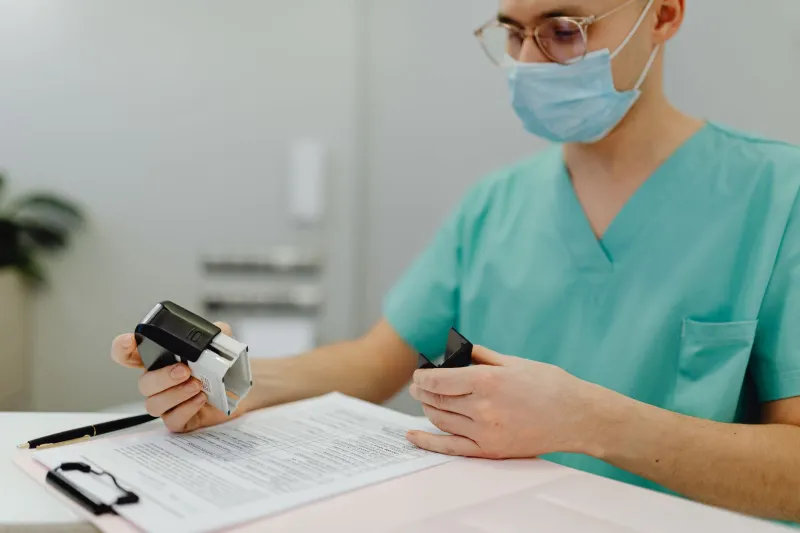
You've just been discharged. Maybe it was a procedure, maybe an overnight stay, maybe a minor emergency that turned into a two-day ordeal. Either way, you're tired, you're relieved, and the nurse hands you a prescription on your way out the door. The hospital pharmacy is right there on the ground floor. It's convenient. You fill it there.
Congratulations — you may have just paid $200 more than you needed to for the exact same medication available at a CVS six blocks away.
This isn't a hypothetical. Hospital pharmacies routinely charge significantly more for common medications than retail chains or independent pharmacies, and most patients have no idea the gap exists until — if ever — they comparison shop after the fact. Let's break down how this pricing chasm develops, which drugs are most likely to drain your wallet, and what you can do about it before you even reach the discharge desk.
Why Does the Hospital Pharmacy Cost So Much More?
Hospital pharmacies operate under a completely different financial model than your neighborhood pharmacy. For starters, they're typically part of a larger health system that carries enormous overhead — specialized staff, 24-hour operations, regulatory compliance costs, and the infrastructure required to handle complex inpatient medications. Those costs get baked into everything they dispense, including the routine stuff you're picking up on your way out.
There's also a markup layer tied to how hospitals negotiate with drug wholesalers and how they bill through their internal systems. Unlike retail chains that compete aggressively on price for everyday prescriptions, hospital outpatient pharmacies often don't face the same competitive pressure. They have a captive audience — patients who are already there, often exhausted, sometimes in pain, and rarely in the mood to drive across town to save money.
The result? Pricing that can be 200% to 400% higher for common medications, with little transparency about what you're actually paying until after the transaction.
The Medications Where This Markup Hits Hardest
Not every drug sees a dramatic price difference between hospital and retail settings, but certain categories get hit especially hard.
Antibiotics are a big one. Something like a standard 10-day course of amoxicillin or azithromycin might cost under $10 at a retail chain pharmacy using a discount program — but can run $40 to $60 or more at a hospital outpatient pharmacy. The drug is chemically identical. The difference is purely structural.
Blood pressure medications and heart-related prescriptions are another category to watch. Patients discharged after cardiac events are often sent home with new medications — beta-blockers, ACE inhibitors, diuretics — that are widely available as generics at very low cost. But filled at the hospital pharmacy? The price can be dramatically inflated.
Pain management drugs (particularly non-opioid options like prescription-strength ibuprofen or muscle relaxants), short-term steroids like prednisone, and antifungals all tend to show significant price disparities as well.
Specialty medications are a different animal — those often need to be dispensed through specific channels regardless. But for the bread-and-butter prescriptions patients take home after a routine discharge, the hospital pharmacy is almost never the cheapest option.
The Convenience Trap
Here's the thing about hospital pharmacy pricing — it's not necessarily predatory in intent. It's just a system that was never designed with price competition in mind. The hospital pharmacy exists primarily to serve inpatient needs. The outpatient window is almost an afterthought, and the pricing reflects that.
But patients don't know this. When you're handed a prescription at discharge, the implicit message is: fill it here, it's easy, we've got you covered. Nobody hands you a price comparison sheet. Nobody tells you that the Walgreens two miles away will fill the same prescription for a fraction of the cost.
And if you have insurance, you might assume your copay flattens the difference anyway. Sometimes it does. But plenty of insurance plans have different cost-sharing structures for hospital-based pharmacies versus retail pharmacies — and in some cases, the hospital pharmacy isn't even in your plan's preferred network, meaning you're paying full freight without realizing it.
What You Can Actually Do About This
The good news is that this is one of the more actionable drug pricing problems out there. Unlike opaque PBM negotiations or prior authorization nightmares, this one has a straightforward fix: just don't fill your discharge prescription at the hospital pharmacy.
Ask before you leave. When you're being discharged, ask the nurse or discharge coordinator if there's any reason you need to fill the prescription at the hospital pharmacy specifically. For most routine medications, there isn't. Get the paper prescription or have it sent electronically to a retail pharmacy of your choosing.
Use a price comparison tool before you go. Sites like Cost of Via let you look up what a specific drug costs at pharmacies in your area. You can do this from your hospital bed before you're even discharged. Know your options before you walk past that pharmacy window on the ground floor.
Check your insurance's preferred pharmacy network. Your insurer's app or member portal will usually show you which pharmacies are preferred — meaning your cost-sharing is lowest there. A quick check can save you real money.
Don't overlook discount programs. Even if you have insurance, programs like GoodRx, RxSaver, or manufacturer coupons can sometimes beat your copay at retail pharmacies. These programs typically cannot be used at hospital pharmacies, which is yet another reason retail often wins on price.
If you're already home and already filled it at the hospital pharmacy, call and ask about a price adjustment. This is a long shot, but some hospital systems have financial assistance programs or will work with patients on pricing after the fact. It's worth a five-minute phone call.
The Bigger Picture
This pricing gap is part of a broader pattern in American healthcare: the less informed you are at the moment of purchase, the more you tend to pay. Discharge from a hospital is one of the most vulnerable moments a patient faces — emotionally drained, physically recovering, and almost entirely focused on just getting home. The system, unintentionally or not, is not set up to help you make the most cost-effective decision in that moment.
Knowing that the hospital pharmacy is almost never your cheapest option for routine medications is the kind of information that should be on every discharge paperwork packet in the country. It isn't. So consider this your heads-up.
The prescription in your hand is valid at virtually any pharmacy in America. You get to choose where to fill it. Choose wisely — your bank account will thank you.