Free Samples, Hidden Costs: The Sneaky Way Drug Reps Are Shaping Your Prescriptions
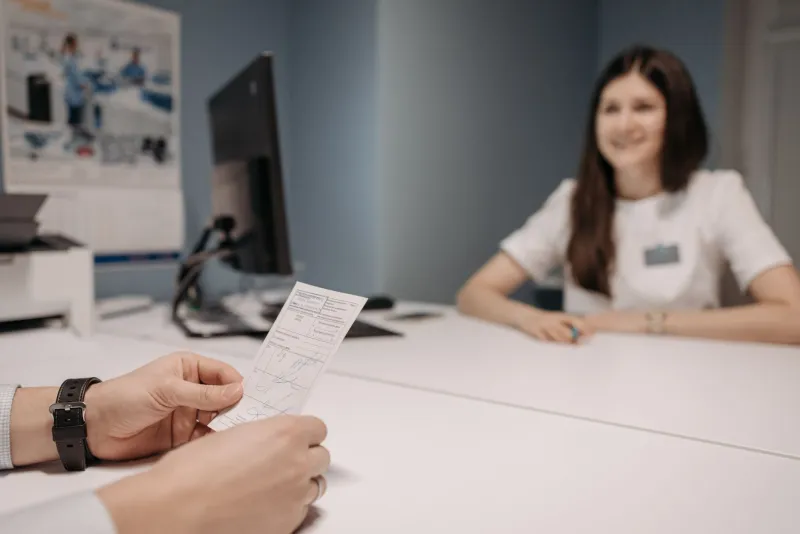
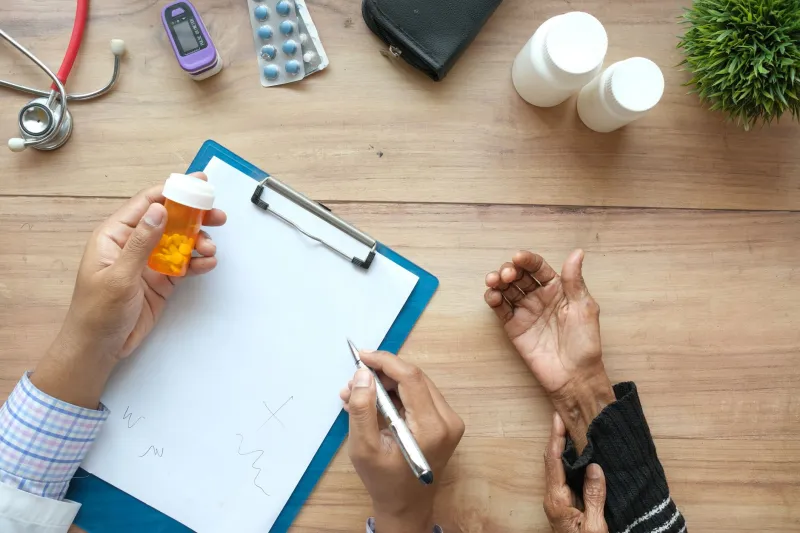
You've probably been there. You're wrapping up an appointment, maybe a little rushed, and your doctor hands you a small box or blister pack of medication. "Try this," they say. "It's free." You take it home, it works fine, and then your doctor writes you a prescription for the same drug.
Then the bill hits. And suddenly that "free" medication doesn't feel so free anymore.
Pharmaceutical samples are one of the most effective — and least talked about — marketing tools in the drug industry. And if you're not asking the right questions, they can quietly steer you toward some of the most expensive medications on the market.
The Sample Strategy: Who's Really Winning Here?
Pharmaceutical companies spend billions of dollars every year getting their products into doctors' offices. According to research published in JAMA, drug samples represent the largest single category of pharmaceutical marketing in the United States — more than direct-to-consumer advertising, more than physician payments, more than anything else.
The logic behind it is straightforward: if a patient starts a brand-name medication through a free sample, they're far more likely to stay on that medication when it's time to fill a prescription. It's the same principle as a free trial subscription — except instead of a streaming service, you're now dependent on a $400-a-month pill.
Doctors aren't necessarily in on the scheme, by the way. Many genuinely believe they're helping patients by reducing upfront costs. But the system is designed to benefit the manufacturer, not you.
What Samples Actually Cost You Later
Here's where it gets real. Brand-name drugs can cost anywhere from 3 to 10 times more than their generic equivalents. When your doctor gives you a sample of a brand-name medication and it works, there's a natural human tendency — for both doctor and patient — to just keep going with what's working.
But here's the thing: in most cases, the generic version of that drug contains the exact same active ingredient, at the same dosage, and is held to the same FDA standards. The difference is the price tag.
Take a common scenario: a patient gets a two-week sample of a brand-name blood pressure medication. It manages their symptoms well. The doctor writes a prescription for the same drug. At the pharmacy, the patient pays $180 for a 30-day supply — or discovers their insurance doesn't cover it well. Meanwhile, a generic version of an equivalent medication in the same drug class might cost $10 to $15 with a discount program like the ones you can find right here on Cost of Via.
That's not a small difference. Over a year, that's potentially thousands of dollars.
Doctors Are Busy — Which Means You Need to Speak Up
This isn't about blaming physicians. Most doctors are overworked and genuinely trying to help. But they don't always know what things cost at the pharmacy level, and pharmaceutical reps have done an excellent job of keeping the most expensive, newest drugs top of mind.
The fix? Ask questions. Specifically, these ones:
"Is there a generic version of this medication?" If your doctor offers you a sample or writes a prescription, this should be your first question. If the answer is no, ask whether there's a generic available in the same drug class that treats your condition just as effectively.
"Is this the lowest-cost option for my situation?" This one might feel awkward, but it shouldn't. Cost is a legitimate medical concern. Patients who can't afford their medications don't take them — and that leads to worse health outcomes. Any doctor worth their stethoscope will respect you for asking.
"Can you write 'dispense as written' off the prescription, or leave it open for generic substitution?" In most states, pharmacists can automatically substitute a generic unless the prescription specifically says otherwise. Make sure your doctor's prescription allows for that substitution.
The "Starter Pack" Trap
Another version of the sample strategy is the branded starter kit — a multi-week supply of a medication packaged to look like a generous gift. These are especially common with newer drugs in categories like ADHD medications, antidepressants, and specialty drugs for conditions like psoriasis or rheumatoid arthritis.
The starter pack gets you through the early adjustment period (when side effects are most likely and you might otherwise stop taking the drug), and by the time you're feeling better and tolerating the medication well, you're committed. Switching feels risky. Your doctor may even discourage it at that point because you're "stable."
Recognize this pattern. A starter pack is not a neutral gift. It's a calculated first step in a long-term customer acquisition strategy.
What to Do If You've Already Been Prescribed a Brand-Name Drug
If you're currently on a brand-name medication and paying more than you'd like, don't panic — and don't just stop taking it. Here's a practical path forward:
- Check if a generic exists. The FDA's website has a searchable database of approved generic drugs. You can also just search the drug name plus "generic" and see what comes up.
- Talk to your pharmacist. Pharmacists are genuinely underutilized resources. They can often tell you right at the counter whether a cheaper alternative is available and what the price difference looks like.
- Use a drug pricing tool. Sites like Cost of Via let you compare real prices across pharmacies and discount programs, so you can see exactly what you'd pay before you even get to the counter.
- Ask your doctor about therapeutic alternatives. If there's no generic for your exact drug, there may be a closely related medication in the same class that does have a generic — and costs a fraction of the price.
- Check for manufacturer coupons — but read the fine print. Some brand-name drug makers offer copay assistance cards. These can help in the short term but often have income restrictions and can expire, leaving you stuck with the full cost.
The Bottom Line
Free samples aren't evil, and they're not always a bad deal. If you genuinely need a medication and a sample helps you try it without upfront cost, that's a legitimate benefit. But going in with your eyes open matters.
The next time a doctor hands you a sample pack, take it — and then ask every question on this list before you ever fill that prescription. Because the real cost of that "free" medication might not show up until you're standing at the pharmacy counter, wondering how a box of pills got this expensive.
At Cost of Via, we believe you deserve to know what your medications actually cost — before, during, and after your doctor's appointment. Real prices, real savings, real simple.