The Coupon Doesn't Count: How Copay Accumulators Turn Savings Into a Later Bill
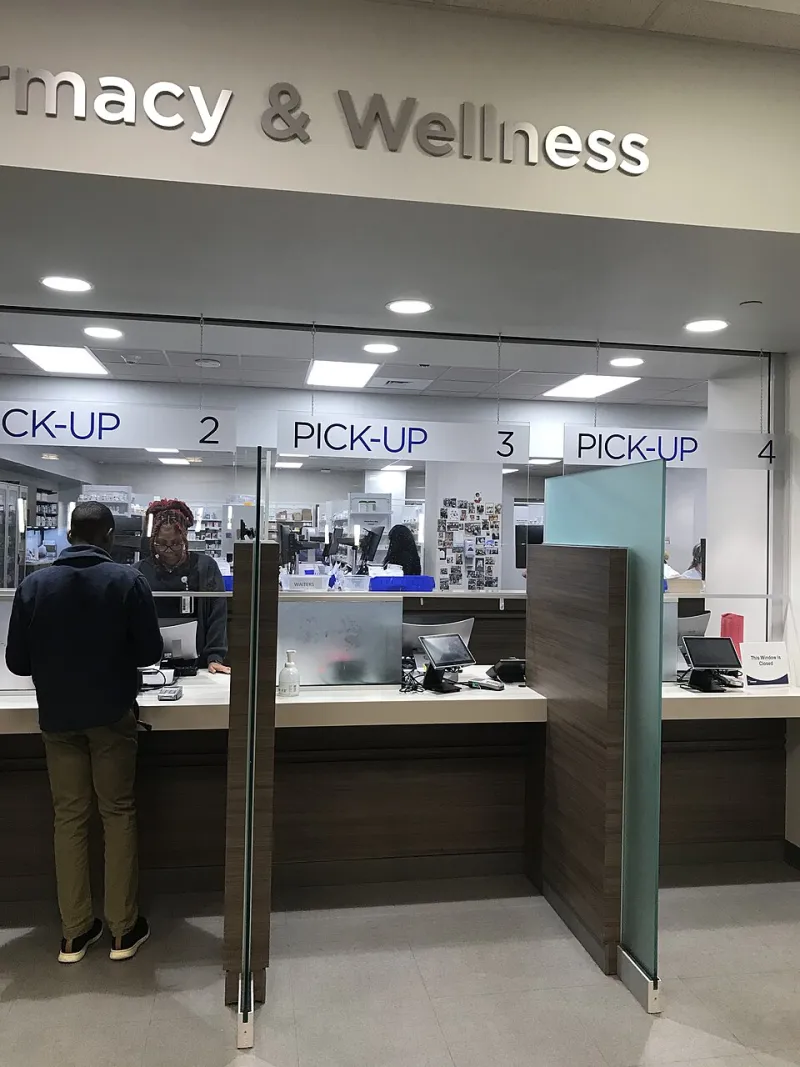
Photo: Infrogmation of New Orleans, CC BY-SA 2.0, via Wikimedia Commons
Your pharmacy counter moment can feel like a magic trick. The brand drug rings up at $450. The manufacturer coupon knocks your copay down to $25. You pay $25, walk out, and assume the system worked. Then, months later, a new bill arrives—or your deductible looks untouched—and you realize the coupon didn't count where it mattered.
That's the copay accumulator trap. It's one of the sneakiest ways a prescription can look affordable in January and feel unaffordable by summer. And if you're choosing a 2026 plan during open enrollment, it's worth checking before you need the medication, not after.
What a copay accumulator actually does
A copay accumulator—sometimes called an accumulator adjustment program—is a plan rule. It says manufacturer copay assistance doesn't count toward your deductible or your annual out-of-pocket maximum. You still get the lower copay at the register, but the plan treats that manufacturer money as if it didn't happen for purposes of your cost-sharing progress.
A related rule, sometimes called a copay maximizer, spreads manufacturer assistance across the year in a way that can extract more of the coupon value. The details differ, but the consumer experience is similar: the coupon feels like relief, while your deductible and out-of-pocket totals crawl along at full price.
This matters most for expensive brand drugs with no cheap generic equivalent—think specialty medications, insulin products, certain autoimmune drugs, or newer therapies. If your plan has a $5,000 deductible and the drug costs $4,000 a month before assistance, the coupon may keep your register copay low. But the plan may still say you've contributed $0 toward that deductible.
Why the coupon feels like a win
Manufacturer copay cards are designed to look like discounts, and at the register they often are. You pay less today. The pharmacy gets paid. The drug company gets a fill. Everyone seems happy.
The catch is in the fine print of your insurance benefit. Manufacturer assistance is often treated as a third-party payment, not your own cost-sharing. Your plan can decide that only payments you make yourself count toward your deductible and out-of-pocket maximum. When that happens, the coupon isn't lowering your yearly exposure—it's just delaying it.
The surprise bill is usually a timing problem
Copay accumulator problems rarely show up on the first fill. They show up later, when the pharmacy runs the claim and the plan says the drug is now subject to the deductible. Or when you hit a coverage limit. Or when the manufacturer assistance runs out and you're suddenly responsible for the full negotiated price.
That's why the trap can feel like a billing error. You did everything right. You used the coupon. You paid your copay. But your plan's math never counted the coupon in the first place.
How to check your plan before you fill
Start with the plan documents, not the coupon website. Look for terms like 'copay accumulator,' 'accumulator adjustment,' 'third-party payment,' 'manufacturer assistance,' and 'out-of-pocket maximum.' If you can't find them, call member services and ask for the plan language in writing.
Ask specifically whether manufacturer copay assistance counts toward your deductible and out-of-pocket maximum for the drug you need. Don't ask whether the coupon is 'accepted.' Ask how the payment is applied. Those are different questions, and the second one is the one that affects your wallet.
Also ask for a written estimate of your total yearly cost under the plan—not just the first fill. If the drug costs $3,000 a month and your plan won't count the coupon, you need to know that before you commit to the plan or the prescription.
State protections are real but uneven
A growing number of states have passed laws limiting copay accumulators in certain insurance plans. The rules vary wildly by state, plan type, and whether the plan is fully insured or self-funded. Some protections apply to state-regulated plans but not to large employer plans that self-insure.
If you're covered through an employer, ask human resources whether the plan is self-funded. If it is, state accumulator laws may not reach it. If you're on an individual or small-group plan, check with your state insurance department. The National Association of Insurance Commissioners and your state department of insurance are reasonable starting points, but a quick call to your state's consumer hotline can save you a lot of guessing.
Exact scripts for pushing back
When you call member services, keep it simple and ask for written answers. Try this: 'Can you confirm whether my plan uses a copay accumulator or maximizer for this medication? Please send me the plan language and a written estimate of what will count toward my deductible and out-of-pocket maximum.'
If the answer is yes, follow up with: 'If manufacturer assistance won't count, what is my true out-of-pocket cost for the year, and is there an alternative covered drug or exception process?'
If you've already been surprised by a bill, say: 'I'm requesting a written explanation of how my payments were applied and an exception review. I want to know whether the manufacturer assistance was excluded from my cost-sharing totals and what my options are.'
And if you're comparing plans, ask: 'Does this plan count manufacturer copay assistance toward the deductible and out-of-pocket maximum? Please point me to the exact section of the benefit document.'
The bottom line
A copay coupon is not a guarantee that your yearly costs are under control. It's a payment strategy, and your plan gets to decide how that payment is treated. Before you rely on a coupon to make a plan affordable, find out whether the money counts. If it doesn't, you're not getting savings—you're getting a temporary loan from the drug company, with the bill waiting on the other side.